
How to Care for Human Hair Wig: Tips to Make It Last Longer
A human hair wig is a real investment, but keeping it looking fresh requires the right know-how. If you just wing it, your expensive wig will quickly turn into a dry, tangled mess. That is why you need a solid routine. In this ultimate guide, Royal Hair will show you exactly how to care for human hair wig from A to Z. We will cover the golden rules of wig care, the step-by-step washing method, proper storage tricks, and answers to your biggest FAQs.
The Core Golden Rules of Human Hair Wig Care
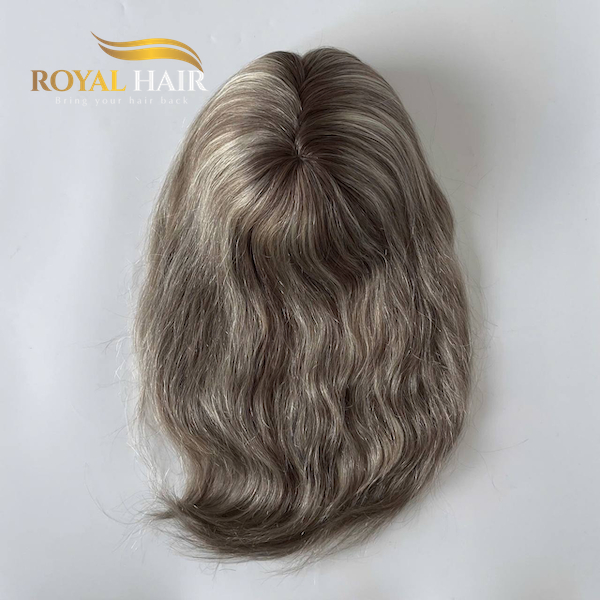
Before jumping into the steps, you must understand one basic rule. This hair is no longer attached to a living scalp. That means it gets zero natural oils or moisture from your body. None at all. If you neglect it, it will dry out like straw in no time.
The golden rules are very simple. Always add moisture, always handle it gently, and stay away from harsh chemicals. Treat it like a fragile luxury item, not a cheap toy.
How to Care for Human Hair Wig: The Daily Essentials
Look, you don’t need a 10-step routine that takes hours. You just need a few smart habits to keep the hair looking smooth and fresh. Stick to these four basic steps below to maintain your wig’s shape and quality day after day.
Detangle from Tips to Roots
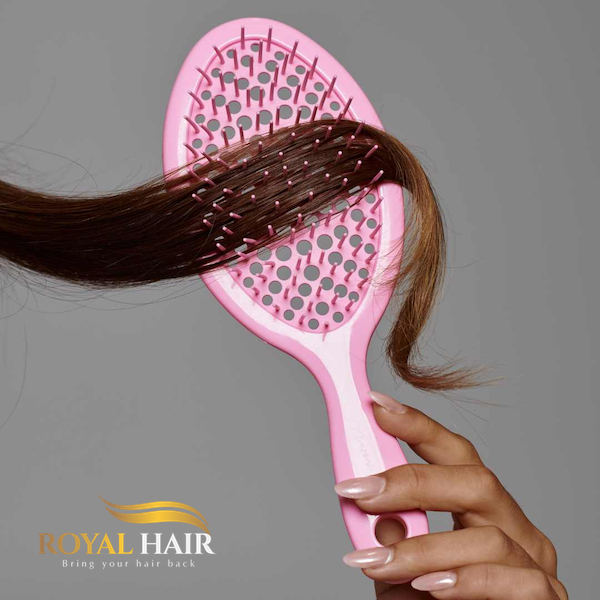
Stop grabbing a brush and ripping it from the top down. Seriously, just don’t. The moment you hit a snag and pull hard, you’re either snapping the hair strands or tearing them right out of the lace cap. Once a wig starts shedding like crazy, there’s no fixing it.
The trick is to start at the very bottom. Comb out the last two inches first. Once that part is completely smooth, move up to the middle section, and save the roots for last. A wide-tooth comb or a paddle brush is your best bet here. Got a nasty knot? Don’t force the brush through. Use your fingers to gently wiggle the hairs apart.
Choose the Right Hair Products
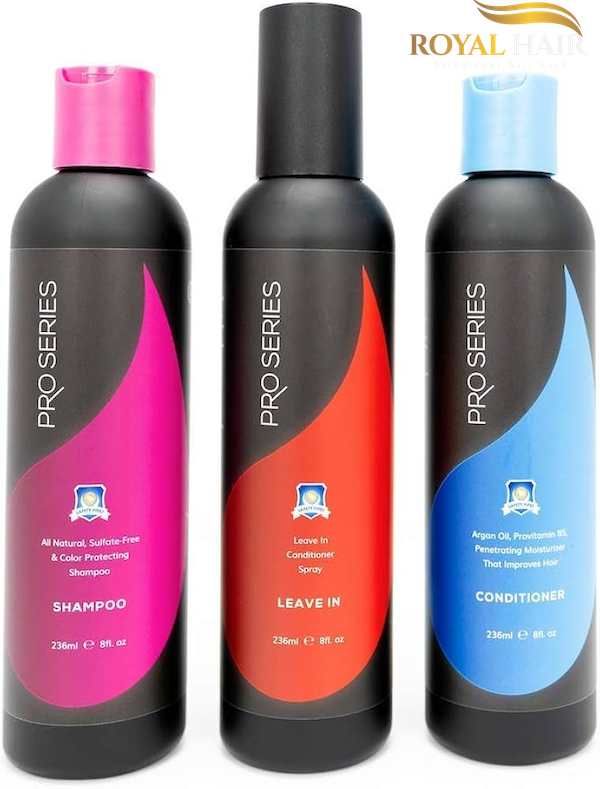
Ditch your regular supermarket shampoo. Most of those cheap bottles are loaded with sulfates and heavy alcohol. They strip away every bit of moisture—and since wig hair can’t repair itself, that dryness is permanent.
You want stuff that is sulfate-free and heavy on hydration. Honestly, products made for color-treated hair work amazingly well because they are super gentle. Also, get a lightweight leave-in conditioner spray. Spritz a tiny bit onto the ends every morning before you head out. It acts like a shield against frizz all day.
Practice Safe Heat Styling
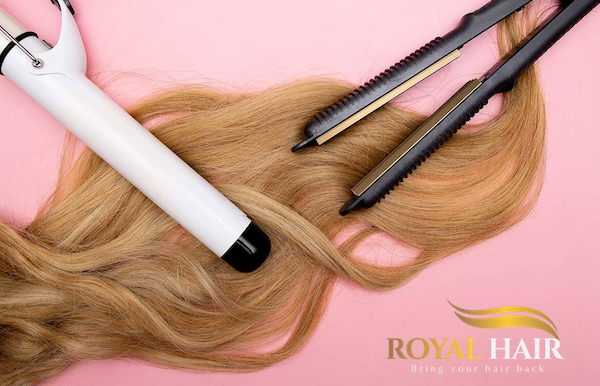
Can you use a flat iron or a curling wand? Sure, it’s 100% human hair. But that doesn’t mean you should bake it at max heat every single morning. Fried wig hair is dead hair. It won’t bounce back.
Always use a heat protectant spray before any hot tool touches the strands. No excuses. Keep the temperature dial low or medium—stay around 180°C or under. Better yet, if you want loose curls, just pop some foam rollers in overnight. You get great volume without cooking the hair.
Clean Safely
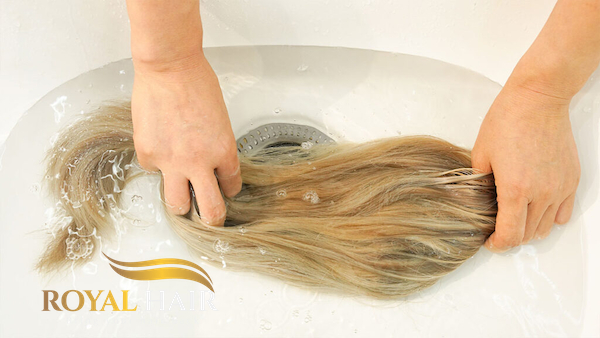
Washing a wig is a whole different ball game. Do not just hop in the shower and scrub it like it’s growing from your head. You’ll stretch out the cap and ruin the knots.
Keep it simple with this quick checklist:
- Prep: Brush out every single knot before the hair gets wet. Wet knots are a nightmare to detangle.
- Rinse: Let lukewarm water flow straight down from the roots to the ends. Don’t soak it in a sink.
- Wash: Smooth the shampoo through the strands gently. No rubbing, no twisting.
- Condition: Coat the hair from the middle down to the tips. Keep the conditioner completely away from the lace cap or the hair will shed.
- Dry: Squeeze the excess water out with a towel (don’t wring it), pop it on a stand, and let it air dry.
Look, this is just the quick version to keep you covered day-to-day. If you want a deep dive into the exact washing process, check out our full guide on [How to Wash a Human Hair Wig].
The Nighttime Routine & Storage
What you do with your wig at night determines how long it stays looking good. You can’t just toss it on your nightstand or sleep on it carelessly and expect it to look perfect the next morning.

Sleeping in your Wig (If You Absolutely Have To)
Let’s be real: the best option is always to take your wig off before bed. Your head rubs against the pillow all night, and that friction is a killer for human hair. But if taking it off isn’t an option tonight, you need to minimize the damage.
First, never go to sleep with a damp or wet wig. That is a shortcut to a moldy cap and a tangled mess you can’t undo. Second, wrap the hair. Put it in a loose braid or a low ponytail to keep the strands from swirling around. Most importantly, ditch your cotton pillowcase. Switch to silk or satin. Cotton sucks the moisture right out of the hair and causes brutal friction.
Short-Term vs. Long-Term Storage
How you store your wig when you aren’t wearing it makes a massive difference in its lifespan. It boils down to whether you’re putting it away for the night or for a few months.
- Short-Term Storage (Daily): If you wear the wig every day, get a mannequin head or a collapsible wig stand. Taking it off at night and popping it on a stand keeps the cap from losing its shape. It also lets the inside of the cap breathe and air out from any sweat. Keep it away from open windows, dust, and pets.
- Long-Term Storage (Weeks or Months): Planning to put the wig away for a while? Wash it first. Never store a dirty wig. Make sure it is 100% dry, detangle it gently, and fold it flat. Slip it into a silk or satin storage bag, or put it back in its original box. Keep the box in a cool, dry place out of direct sunlight.
Extra Pro Tips for Wig Longevity
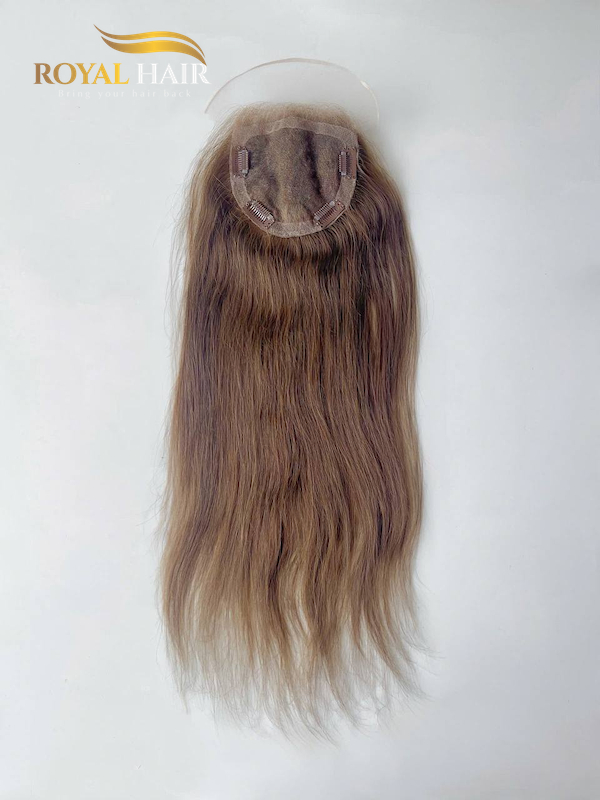
Taking care of a wig goes way beyond just daily brushing. It’s the small, easily ignored details that decide whether your expensive piece lasts two months or stays fresh for a whole year.
How Often Should You Wash Your Wig?
Stop washing your wig just because you wore it a few times. It doesn’t grow from your head, so it doesn’t get greasy on its own. Every wash actually strips the hair a little bit and cuts down its lifespan.
A good rule of thumb is to wash it every 7 to 14 days, or after about 8 to 10 wears. If you wear it daily, hitting that two-week mark is usually the sweet spot. But look, use your brain here. If you use tons of hairspray, live in a dusty city, or sweat a lot, wash it closer to the 8-wear mark. If it doesn’t smell and the hair still moves freely? Just leave it alone.
Protecting the Lace and Knots
The lace and those tiny knots holding the hair strands together are incredibly fragile. Once those knots loosen up, your wig is going to shed like crazy. There is no fixing that—you’ll just end up with ugly bald patches.
To keep the knots secure, never, ever let heavy conditioners, oils, or serums touch the lace cap. Those products lubricate the knots, making them slide right out. Also, try using a knot sealer spray after washing. It acts like glue to keep the roots locked in place. And if you bleach the knots to make the hairline look natural, don’t overdo it. Too much bleach fries the hair base and ruins the whole foundation.
When to Consult a Professional Hairstylist?
Look, you shouldn’t run to a salon for every little thing. Wigs cost too much money, and you can easily handle basic washing and daily brushing in your own bathroom. But let’s be real: there are moments when trying to play hairdresser at home will absolutely destroy your expensive piece.

If you run into any of these situations, step away from the scissors and go see a pro:
- Major color changes: Thinking about going from jet black to a bright blonde? Do not try this with a cheap box dye from the supermarket. Bleaching a human hair wig is a whole different ball game compared to real hair on a scalp. One tiny mistake and you’ll fry the strands beyond repair.
- Cutting bangs or layers: Cutting a wig is a one-way street. It is not growing back. If you want to add curtain bangs, layers, or shorten the length, let a professional stylist cut it while it’s sitting right on your head.
- Severe matting or tangling: If you forgot to brush it for weeks and now it’s a giant, matted lump, don’t just yank at it. You’ll just rip the hair straight out of the cap. Stylists have heavy-duty detangling tricks that can actually revive a wig you thought was dead.
- Ripped lace or loose tracks: If the lace cap tears or the tracks start coming loose, fabric glue or a random needle and thread will just ruin the fit. A pro wig maker can stitch it back up without messing up how it sits on your head.
Frequently Asked Questions
Here are the most frequently asked questions about how to care for a human hair wig. Let’s dive into the answers with Royal Hair.
Can you clean a human hair wig with normal supermarket shampoo?
Don’t do it. Supermarket bottles are full of sulfates and harsh alcohols. Your real hair survives that stuff because your scalp keeps pumping out oils. A wig doesn’t have a backup supply. Those cheap drugstore formulas will just dry the strands out until they feel like straw. Use sulfate-free, moisture-heavy products instead.
Will flat irons and curling wands ruin my human hair wig?
Only if you go crazy with the temperature. Yes, it’s 100% human hair, so tools are fine. But burnt wig hair is dead hair—it won’t grow back. Always spritz a heat protectant first. No exceptions. Keep the dial at 180°C or lower, and stop heat-styling it every single day.
How do I add shine to a wig without making it look greasy?
Keep everything away from the roots. Heavy oils and thick serums will just weigh the hair down and look nasty. Grab a lightweight leave-in conditioner spray instead. Mist a tiny bit only from the middle of the hair down to the tips. If you overdo it, a quick spray of dry shampoo will fix it.
Where should I put my wig when I take it off?
Taking it off for the night? Just pop it on a collapsible wig stand or a mannequin head so the cap can breathe and keep its shape. Storing it away for weeks? Wash it first. Never store a dirty wig. Make sure it is 100% dry, then lay it flat inside a satin bag or its original box in a dark closet.
Is it okay to go swimming or take a shower with a wig on?
Just avoid it. Showering with a wig on leads to immediate matting because the overhead water pressure tangles the strands. Swimming is worse. Chlorine and saltwater strip away every bit of moisture, leaving you with a ruined, frizzy mess. If you must swim, wear a tight swim cap or keep your head dry.
Conclusion
Mastering how to care for human hair wig comes down to a few basic habits. You don’t need a massive routine. Just use sulfate-free products, keep heavy oils off the lace, and go easy on the heat tools. A little daily care keeps the strands soft and stops early shedding.
For major changes like heavy bleaching or custom haircuts, skip the DIY attempts. Let the team at Royal Hair handle it safely so you don’t ruin your investment.
