
How to Remove Wig Glue from Skin and Hair: The Safe, Pain-Free Guide
Removing a lace front shouldn’t mean losing your baby hairs. When hair adhesives dry, they form a tight bond that resists water and sweat. Ripping the unit off without softening this bond first causes traction alopecia and raw skin. Royal Hair will guide you through how to remove wig glue from skin and hair safely using common, budget-friendly items that protect your skin barrier.
Why is wig glue so difficult to remove?
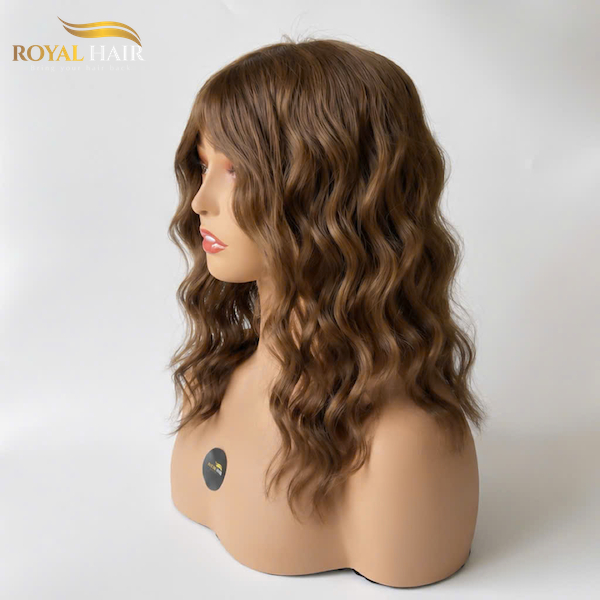
Lace glues are made to last. They contain waterproof polymers designed to stick for weeks, meaning standard soap and water won’t melt them. If you rush the removal process, the hardened adhesive pulls the skin tight, leading to redness, chemical irritation, and broken hair shafts along your perimeter.
How to safely remove a glued wig from your scalp
Take your time and use one of these three methods to loosen the grip of the adhesive before lifting the lace.
The Rubbing Alcohol Method
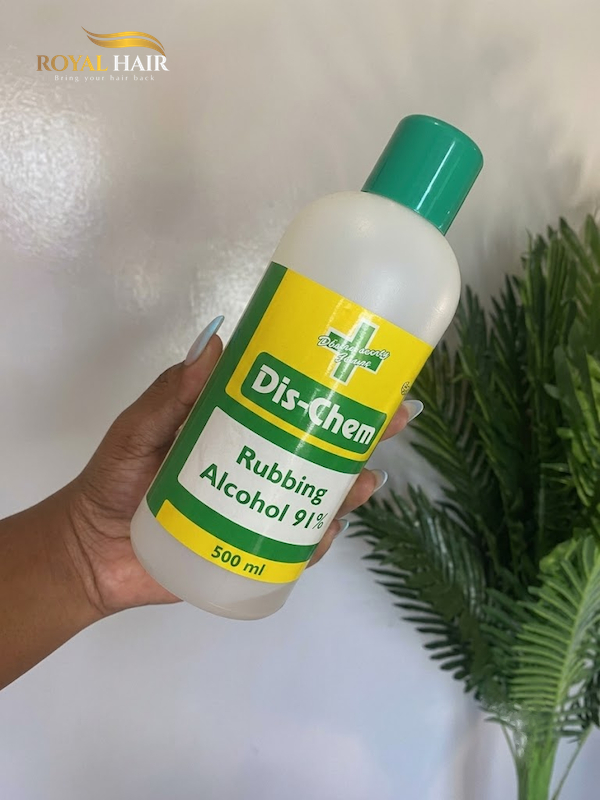
91% Isopropyl alcohol breaks down the sticky polymers fast. Soak a cotton pad in alcohol and press it firmly against the glued hairline. Hold it there for two minutes so the liquid can seep under the mesh. The lace will slide off your forehead without any resistance.
The Petroleum Jelly (Vaseline) or Emollient Oil Technique
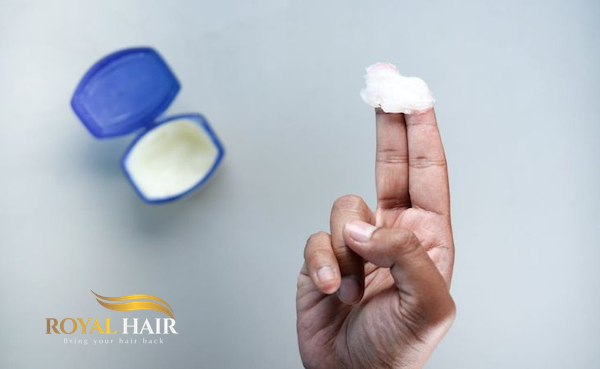
Alcohol can dry out sensitive skin. If your forehead is prone to irritation, use Vaseline, baby oil, or olive oil instead. Spread a thick layer over the glue and wrap a warm cloth around your head. Leave it for five minutes; the grease will naturally dissolve the stickiness.
The Warm Water and Soap Approach
This works best for daily water-based adhesives. Mix warm water with a squirt of dish soap or moisturizing body wash in a spray bottle. Mist the solution generously along the front edge, let it soak into the bond, and gently wipe the glue away.
How to Get Wig Glue Out of Your Natural Hair Without Pain
When adhesive leaks past the cap, it gets matted into your biological hair. Do not apply plain water first—moisture causes many glue formulas to harden into a rubbery paste. Use this three-step technique to clean your hair strands without causing breakage.
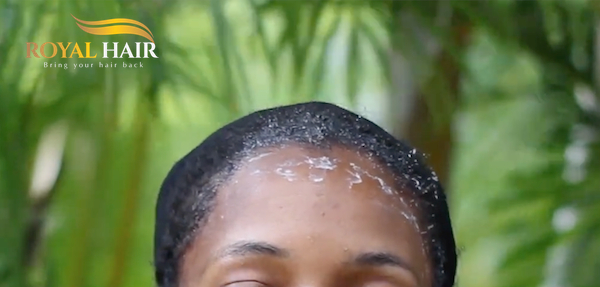
Step 1: Coat the Hair with Heavy Oils or Conditioner
Coat the sticky patches heavily with coconut oil, olive oil, or a thick deep conditioning cream. Massage the product directly into the tangled areas. The oil needs to coat the hair shaft completely to loosen the glue’s grip.
Step 2: Gently Comb from the Tips Up to the Roots
Let the oil sit for ten minutes to soften the hardened chunks. Take a fine-tooth comb and begin working through your hair, starting at the ends and slowly moving up toward the roots. The gummy residue will slide right down the strands.
Step 3: Cleanse the Remaining Adhesive with a Clarifying Shampoo
Once the large glue pieces are out, wash your hair with a clarifying shampoo. This strips away the heavy grease and any remaining adhesive particles. Follow up with a lightweight conditioner to restore moisture to your edges. and leftover adhesive particles. Follow up with a light conditioner to restore balance.
Warning: Why Acetone is Too Harsh for Your Face and Hair
Nail polish remover dissolves glue quickly, but it is too harsh for your face. Acetone causes chemical burns, severe skin peeling, and breaks down the protein structure of your natural hair, causing your edges to snap off at the root.
How to Heal Your Skin and Restoring Your Hair’s Health
Your skin and hair need immediate hydration after dealing with chemical glues and solvents.
The Skin
Wash your face with a gentle, fragrance-free cleanser. Apply pure aloe vera gel or a thick ceramide cream to calm the redness and rebuild your skin barrier.
The Hair
Massage a few drops of castor oil or jojoba oil into your hairline. This keeps the scalp hydrated and promotes blood circulation to support healthy hair growth.
Frequently Asked Questions
Is it safe to use rubbing alcohol to get wig glue off?
Yes, isopropyl alcohol breaks down lace adhesives quickly. Always apply a good moisturizer afterward to avoid dry, flaky skin.
How do I protect my edges and natural hair while removing wig glue?
Never pull the lace if it still feels stuck. Wait until the glue turns completely soft and slippery before attempting to lift the wig.
What are some gentle, chemical-free alternatives to wig adhesive removers?
Coconut oil, olive oil, and warm soapy water are excellent, chemical-free options that dissolve adhesive bonds without irritating your scalp.
How many minutes should I let the adhesive remover sit before pulling off the wig?
Alcohol takes 1 to 2 minutes to work. Heavy oils or Vaseline need about 5 to 10 minutes to break down stronger glues completely.
Mastering how to remove wig glue from skin and hair keeps your natural hairline thick and healthy. A smooth removal routine is the secret to wearing hair systems long-term without damage. If you want high-quality, lightweight human hair wigs that are easy to manage and style, check out the factory-direct options at Royal Hair.
