
How to Wear a Wig with Long Hair: A Step-by-Step Flat Foundation Guide
Wigging up over long, thick hair is a recipe for a bulky, helmet-like look if your foundation isn’t dead flat. To prevent your natural length from bunching up at the nape or creating awkward crown bulges, Royal Hair dives straight into exactly how to wear a wig with long hair without the structural headache. By switching up your pinning routine and mapping your braids to spread out the hair mass evenly, you can secure a flush, melted finish that stays locked down and looks entirely real all day.
Why Long Hair Makes Wig Caps Hard to Manage
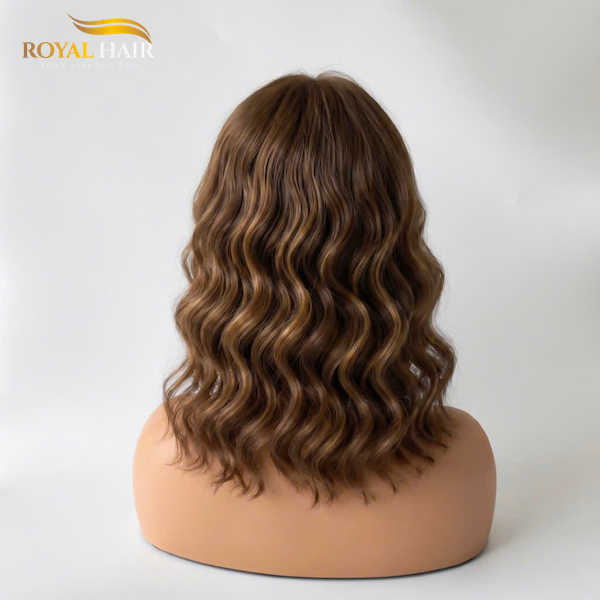
Long hair creates volume and weight. When you tuck it under a wig cap without a systematic layout, gravity pulls the bulk downward, or it shifts during the day, causing the wig to slide backward off your hairline.
To achieve an undetectable finish, your biological hair must be evenly distributed across the entire surface of your skull. The goal is to maximize the surface area and keep the hair layer as thin as possible so the interior wig cap can sit completely flush against your head shape.
The Step-by-Step: How to wear a wig with long hair
Follow this structural breakdown to flatten your length and lock your wig securely in place morning after morning.
Step 1: Gather Your Setup Tools
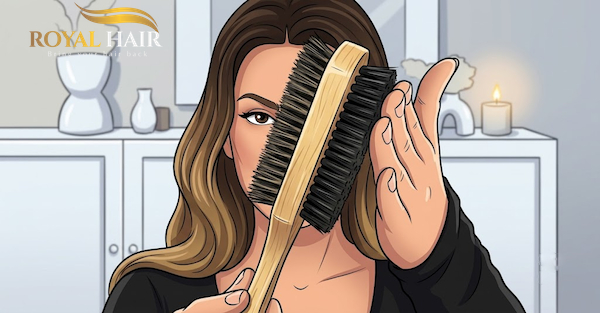
Do not try to wing this process with standard bobby pins alone. To secure long hair flat, you need:
- A wide-tooth comb and a boar-bristle smoothing brush.
- Multiple small, clear elastic hair bands.
- High-quality, long-grip U-shaped hairpins (pins hold flatter than clips).
- A breathable nylon or mesh wig cap.
- A velvet wig grip band (optional, but highly recommended for heavy hair).
Step 2: Prep and Flatten Your Long Hair
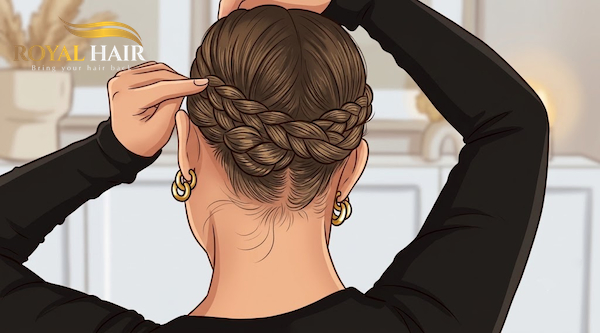
You have two primary options to flatten your length depending on your braiding skills:
- The Flat Cornrow Method (Best for maximum flatness): Section your hair into 4 to 6 tight cornrows traveling from the front hairline straight back to the nape of your neck. Cross the dangling tail ends of the braids over each other at the back and pin them flat along the lower rim of your head.
- The Wrapped Ponytail Method (Fastest DIY approach): Divide your hair down the center into two low pigtails using thin elastics. Take the left pigtail, wrap it tightly around the back and top of your head like a headband, and pin it down securely. Repeat with the right pigtail in the opposite direction.
Step 3: Apply the Wig Cap Foundation
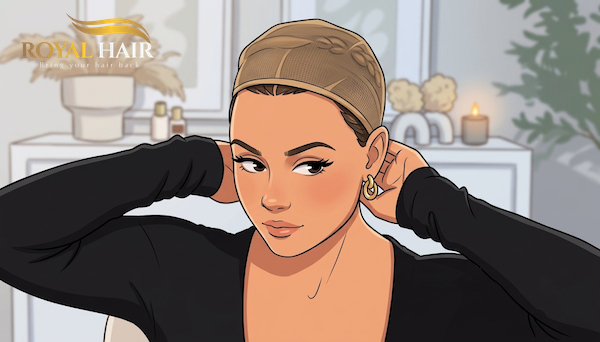
Tilt your head forward, place the front edge of the wig cap against your forehead, and pull it straight back over your pinned hair down to the nape of your neck. Use your fingers to tuck any loose flyaways or baby hairs under the edge. Take a moment to gently massage any noticeable lumps through the cap to spread the hair bulk evenly.
Step 4: Mount Your Wig
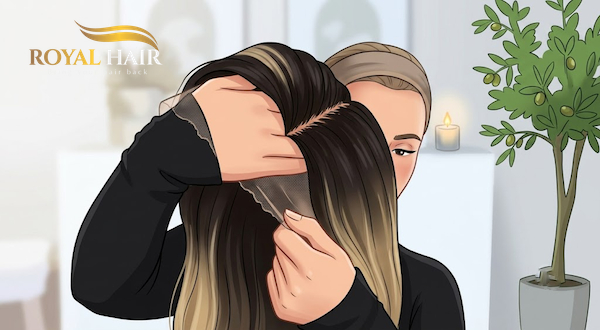
Hold the wig with both hands inside the cap, flip your head slightly forward, and hook the front edge of the wig directly against your front hairline. Pull the back of the wig down over the cap until it cups the nape of your neck snugly. Adjust the ear tabs on both sides to ensure the unit is perfectly centered.
Step 5: Final Adjustments and Styling

Secure the interior combs into your flattened brai ds or perimeter hair. If using a lace front, apply your melting spray or adhesive along the front edge, press down, and tie a silicone or velvet band around your hairline for 10 minutes to melt the lace grid directly into your skin. Finish by styling the lengths as desired.
Technical Mistakes to Avoid for Long-Haired Wearers
To keep your wig looking natural and comfortable throughout the day, avoid these common application errors:
- The High-Bun Blunder: Never twist your long hair into a standard bun or top-knot before putting on a wig. This creates a massive, localized bump that ruins the head silhouette instantly.
- Using Damp Hair: Never braid or pin your hair while it is still damp from a wash. Trapping moisture inside a tight wig cap for hours creates a breeding ground for bacteria, scalp irritation, and mildew.
- Overloading on Metal Clips: Avoid using thick, bulky jaw clips or oversized bobby pins to hold your braids down. They press into the scalp under the weight of the wig, causing intense focal headaches within an hour.
Wig and Hair Care Habits for Longevity
Taking care of your hair under the cap is just as important as washing the wig itself. Here is a quick checklist to look after both without the headache:
- Brush out every single knot first: Take your time here. If you braid or pin your hair while it’s still tangled, it will lock up under the cap and become a nightmare to untangle later.
- Make sure your hair is 100% dry: Seriously, never put a wig cap over damp hair. Trapping moisture inside is the fastest way to get an itchy scalp and a bad smell.
- Switch up your braid lines: Try not to cornrow your hair the exact same way every week. Moving the parts around gives your roots a break and protects your hairline from breaking.
- Let your hair down at night: Take the wig off before bed and undo your foundation. Give your head a good finger massage to get the blood flowing again.
- Don’t just toss it on the desk: When you’re not wearing the wig, leave it on a proper stand. If you just throw it down, it loses its shape and gets tangled easily.
- Start brushing from the bottom: When detangling the wig, always comb the ends first and work your way up to the top. Yanking a brush straight down from the roots will just rip the hair out.
- Skip the heavy heat: Wash the unit in cool water when it feels dirty, and let it air dry naturally on its stand to keep the cap construction intact.
Royal Hair’s Best Quality Human Hair Wigs
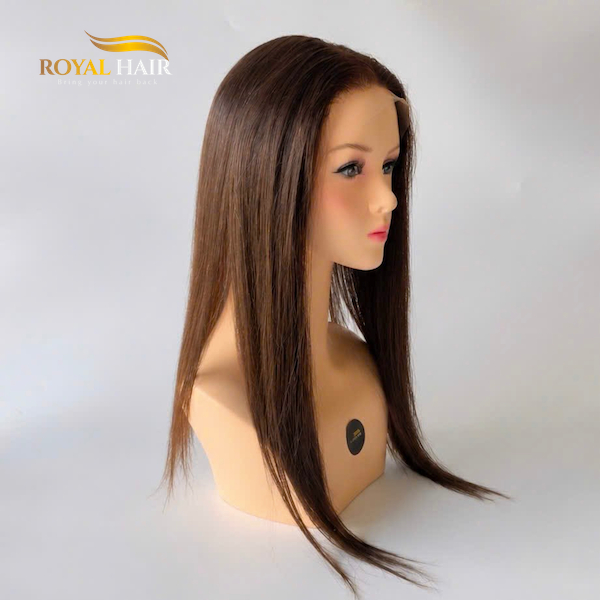
If you are looking for 100% human hair wigs from virgin to remy hair, Royal Hair is the perfect choice. Every single wig here is carefully hand-crafted by highly skilled craftsmen. Because we make them directly in our factory with no middlemen, you get premium hair systems at a very fair price. With nearly 30 years in the industry, we offer a massive catalog to choose from—whether you want short or long, black or colored, straight or curly styles. Contact the Royal Hair team today to get detailed advice and find your dream wig!
Frequently Asked Questions
Should you choose a mesh or nylon cap when managing long hair?
Go with a mesh cap if your hair is thick or long. The open holes give you a great surface to push hairpins into, and it keeps your head cool so heat doesn’t trap inside. On the other hand, a nylon cap works better if you need to hide your natural hair color completely or want to smooth down tiny baby hairs along your hairline.
Can packing long hair under a wig trigger traction alopecia?
A wig won’t cause hair loss as long as your foundation braids aren’t pulling too tightly on your scalp. The real danger comes from snapping tight metal clips into weak roots or wearing a cap that is too small for your head. To keep your edges safe, use a soft velvet grip band to hold the weight of the wig instead of relying on heavy glues or tight clips.
A natural-looking wig doesn’t happen by chance—it starts with what’s underneath. Once you’ve learned how to wear a wig with long hair and found a preparation method that works for you, getting ready each day becomes much quicker and easier. At Royal Hair, we’re here to help you feel confident every step of the way, with premium human hair wigs and practical advice designed to make every wear look and feel its best.
