
What is a Hair Patch? A Complete Guide to Non-Surgical Hair Systems
What is a hair patch? How does it solve localized thinning, a balding crown, and a receding hairline? Join Royal Hair as we dive into the details below, discover the best ways to maintain a hair patch, and answer the most frequently asked questions about this topic!
What is a Hair Patch?
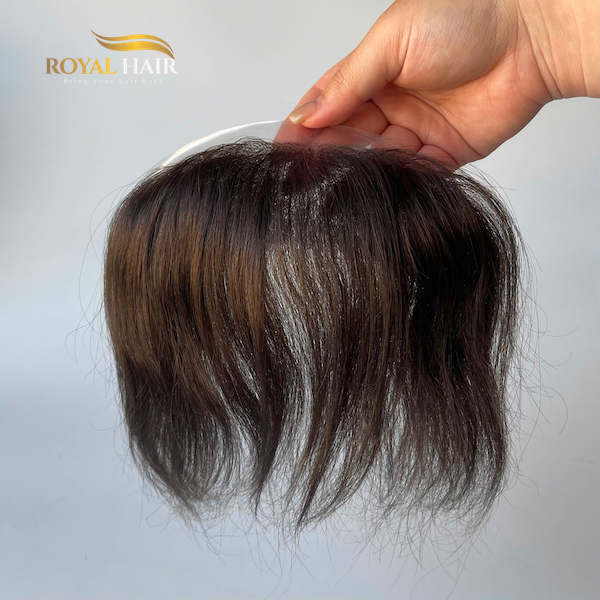
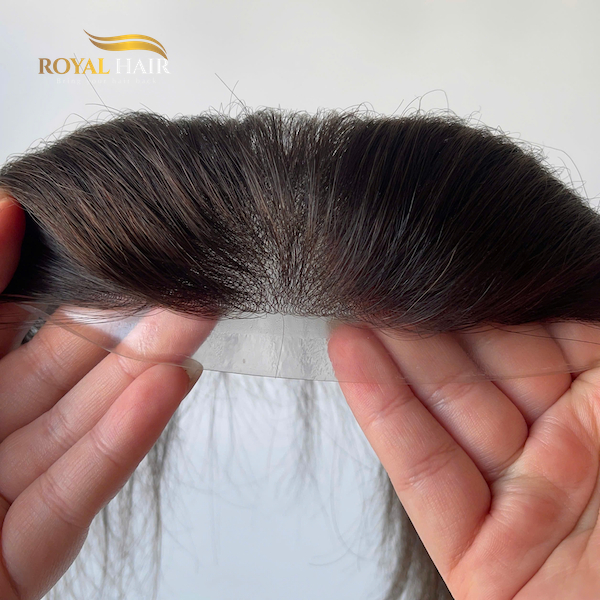
A hair patch—often called a partial hair system or top toupee—is a mini hair restoration unit designed specifically to cover localized bald areas rather than your whole head.
Unlike a full wig that drops over your entire scalp like a helmet, a hair patch only targets the specific zones affected by male or female pattern baldness (such as a receding hairline or a bald crown). Technicians hand-knot individual hair strands onto a small, flesh-colored base that blends right into your surrounding natural hair.
What is a Hair Patch Made Of?
The overall realism and comfort of your hair patch depend entirely on two components: the foundation material and the origin of the strands.
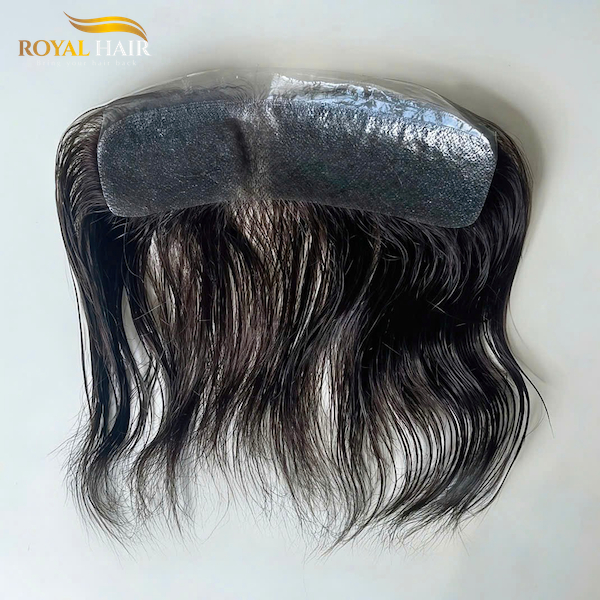
The Base Materials
- Polyurethane (Skin) Bases: These use a micro-thin silicone or polyurethane membrane. When pressed onto your head, the material vanishes against your skin, making it look like the hair is growing straight out of your pores.
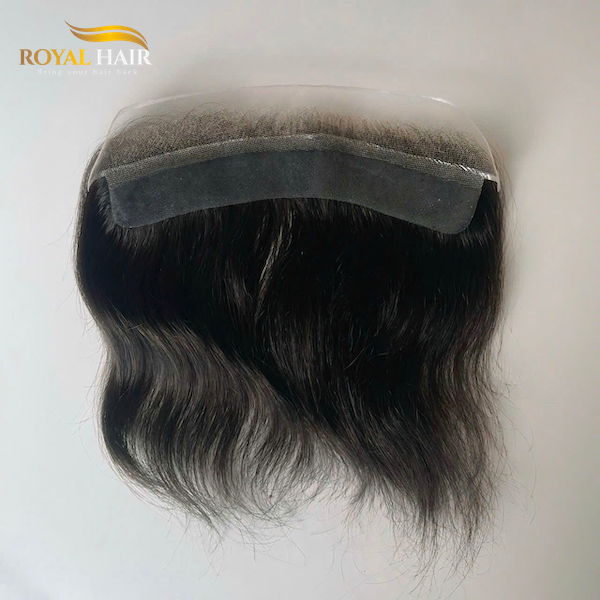
- Lace Bases (French or Swiss): Built from a delicate, breathable mesh fabric. Lace allows heat and sweat to escape easily, making it the best option if you live in a hot climate or workout heavily.
The Hair Type
- Real Human Hair: The industry standard for realism. Human hair allows you to wash, dye, part, and style the patch just like your own bio hair.
- Synthetic Fibers: Cheaper and hold their styled shape even after washing, but they look overly shiny under direct sunlight and develop permanent frizz from rubbing against pillows.
Hair Patch: Who Is It Recommended For?
A hair patch is not a one-size-fits-all cure, but it works exceptionally well for specific types of hair loss:
- Androgenetic Alopecia Wearers: Individuals dealing with standard top-of-the-head thinning while keeping strong, thick hair on the sides and back.
- Alopecia Areata Patients: People with patchy, coin-sized bald spots that refuse to grow back.
- Burn or Accident Victims: Anyone with localized scalp scarring where hair follicles have been permanently destroyed.
Why Is This the First Solution Hair Experts Advise You to Try?
Trichologists and hair stylists often push clients toward a hair patch before suggesting complex surgeries or heavy medications for a few practical reasons:
- Zero Medical Risks: You get a full head of hair without surgical incisions, painful healing phases, or side effects from hair-loss pills.
- Instant Gratification: A transplant takes 6 to 12 months to show results. A hair patch solves your baldness in a single 60-minute salon session.
- Reversible Choice: If you hate it, you just take it off. Your scalp remains completely unharmed.
How Is It Attached to the Scalp?
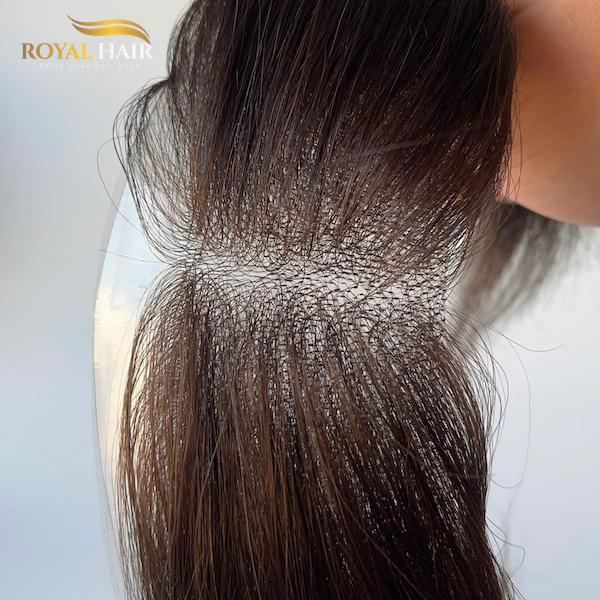
You can lock a hair patch onto your head using three distinct techniques, depending on whether you want to take it off daily or leave it on for weeks.
The Clip-On System
If you refuse to shave your head, clips are your only option. Small, pressure-sensitive metal clips are sewn onto the rim of the patch. You snap these clips directly onto your surrounding real hair. This is strictly a daily method—you must unclip it before sleeping to avoid pulling your real roots.
The Tape-In Method
Medical-grade double-sided tape strips are applied along the perimeter of the patch base, which is then pressed onto a shaved area of your scalp. Tape provides a secure bond that lasts for 1 to 2 weeks and is much faster to clean and dissolve during maintenance than liquid glue.
The Glue Bonding Technique
The toughest attachment method available. A technician shaves your bald spot, cleans the skin with alcohol, and rolls a layer of liquid acrylic or silicone adhesive onto your scalp. Once the glue becomes tacky, the hair patch is pressed into place. This creates a waterproof seal that handles showering, swimming, and heavy gym sweat for 3 to 4 weeks straight.
Hair Patch vs. Full Hair Wig: What’s the Difference?
| Feature | Hair Patch | Full Hair Wig |
| Coverage Area | Only covers localized bald spots (crown/hairline). | Covers the entire scalp from nape to forehead. |
| Blending | Must be cut and blended into your remaining side hair. | Completely hides your natural hair underneath. |
| Attachment | Glued, taped, or clipped semi-permanently. | Usually dropped on with elastic straps or basic grips. |
| Breathability | High—most of your natural scalp is still exposed. | Low—can feel hot, heavy, and itchy over long hours. |
Tips for Maintaining Your Hair Patch at Home
If you want your hair patch to stay soft and look natural, you need to change your grooming habits:
- Wash It on Your Head (Carefully): If your patch is glued down, wash it only once a week. Lean your head back under a gentle shower stream. Never rub or massage the hair in circles; smooth the sulfate-free shampoo down from roots to tips to prevent tangling.
- Moisturize Daily: Patch hair cannot absorb natural sebum from your scalp, meaning it dries out fast. Spray a light leave-in conditioner or rub a drop of Argan oil onto the ends every morning.
- Detangle Dry: Never brush the patch while it is soaking wet, as this snaps the delicate knots on the base. Wait until it air-dries, hold the base down with one hand to protect the bond, and gently comb from the tips upward.
Find Your Perfect Match at Royal Hair
If you are looking to buy a hair patch, Royal Hair is a destination you simply cannot miss. With nearly 30 years of experience in the hair system market, specifically specializing in hair patches, Royal Hair manufactures and delivers products crafted with meticulous precision. Backed by a dedicated workforce with over 10 years of industry experience, every single piece is carefully nurtured to achieve the highest possible level of sophistication.
📍 Office: A909 Decapella, 116 Luong Dinh Cua St, Thu Duc City, Ho Chi Minh City, Vietnam
🏭 Factory: 26/9 Street 57, Tan Thong Hoi Ward, Cu Chi District, Ho Chi Minh City, Vietnam
📞 WhatsApp: +84 933 901 196
📩 Email: royalhairvn@gmail.com
Frequently Asked Questions
Does wearing a hair patch damage your natural hair?
Not at all. A hair patch just sits on top of your skin, meaning it won’t impact your active hair follicles or cause more hair loss. The only catch is that if you choose glue or tape bonding, you have to shave down the peach fuzz inside your bald spot so the adhesive can grip properly. Also, you need to keep up with monthly cleanups; letting sweat and sebum sit under the base for too long is what actually causes skin irritation, not the hairpiece itself.
Is it okay to wash your hair patch every day?
Absolutely not. Washing a hair patch daily is the fastest way to ruin it. Unlike your real hair, patch strands don’t get natural oils from your scalp, so overwashing turns the hair dry and straw-like very quickly. If your system is glued down, stick to washing it once a week under a gentle shower. If you use a clip-on version, you only need to wash it once every 10 to 14 days.
Hair patch vs. hair transplant: Which solution is right for you?
It comes down to your budget and how long you are willing to wait. A hair transplant uses surgical incisions to move real follicles, giving you a permanent, growing solution—but it costs thousands of dollars upfront and takes up to a year to show results. A hair patch costs much less, requires zero surgery, and gives you a full head of hair in an hour. However, you have to accept the ongoing maintenance and replace the unit a few times a year.
What is the most realistic and durable type of hair patch?
If your absolute priority is an invisible front hairline, go with a French Lace front hair patch. The mesh base blends right into your skin, making the hairline look completely real. But if you care more about raw durability and a fast cleanup process, a polyurethane (poly) skin patch is much tougher, handles heavy sweat better, and is way easier to wipe clean during maintenance.
What is the average lifespan of a modern hair patch?
You can generally expect a quality human hair patch to last anywhere from 2 months to a full year. The exact timeline depends heavily on the base material. Ultra-thin skin bases (around 0.03mm) look incredibly realistic but wear out in 4 to 6 weeks because they are paper-thin. On the flip side, tougher mono meshes or conventional, thicker poly skin foundations can easily last 6 to 12 months if you treat them right.
Final Thoughts
A hair patch is an excellent, instant lifesaver for localized balding. We hope this article has helped you clearly understand what is a hair patch and whether it is the right solution for your current hair condition. Explore our diverse collection of hair patches on our website and feel free to reach out directly to the Royal Hair team today!
